Urban Development
The development of Bispevika in Bjørvika has reshaped Oslo through new, demanding urban solutions and unique qualities that place the city on the international architectural map. The founder of Urban Values, Karl Jon Sørli, played a central role in this transformation over the past ten years. With Urban Values he can take a leading role in projects, providing strategic oversight, coordination and leadership throughout the development process. In addition to municipalities and larger public and private sector organisations, Urban Values supports developers, landowners, architects, landscape architects and investors seeking to strengthen their capabilities in development and project delivery.
Karl Jon Sørli played a central role in the development of Eufemias Hage, Dronninglunden, Eufemia Quarter, Clemens Quarter, Maria Quarter, Kongsbrygga and Vannkunsten. After ten years helping shape Bispevika in Bjørvika into what it has become today, it is time to bring this experience to new places, new cities and new projects.

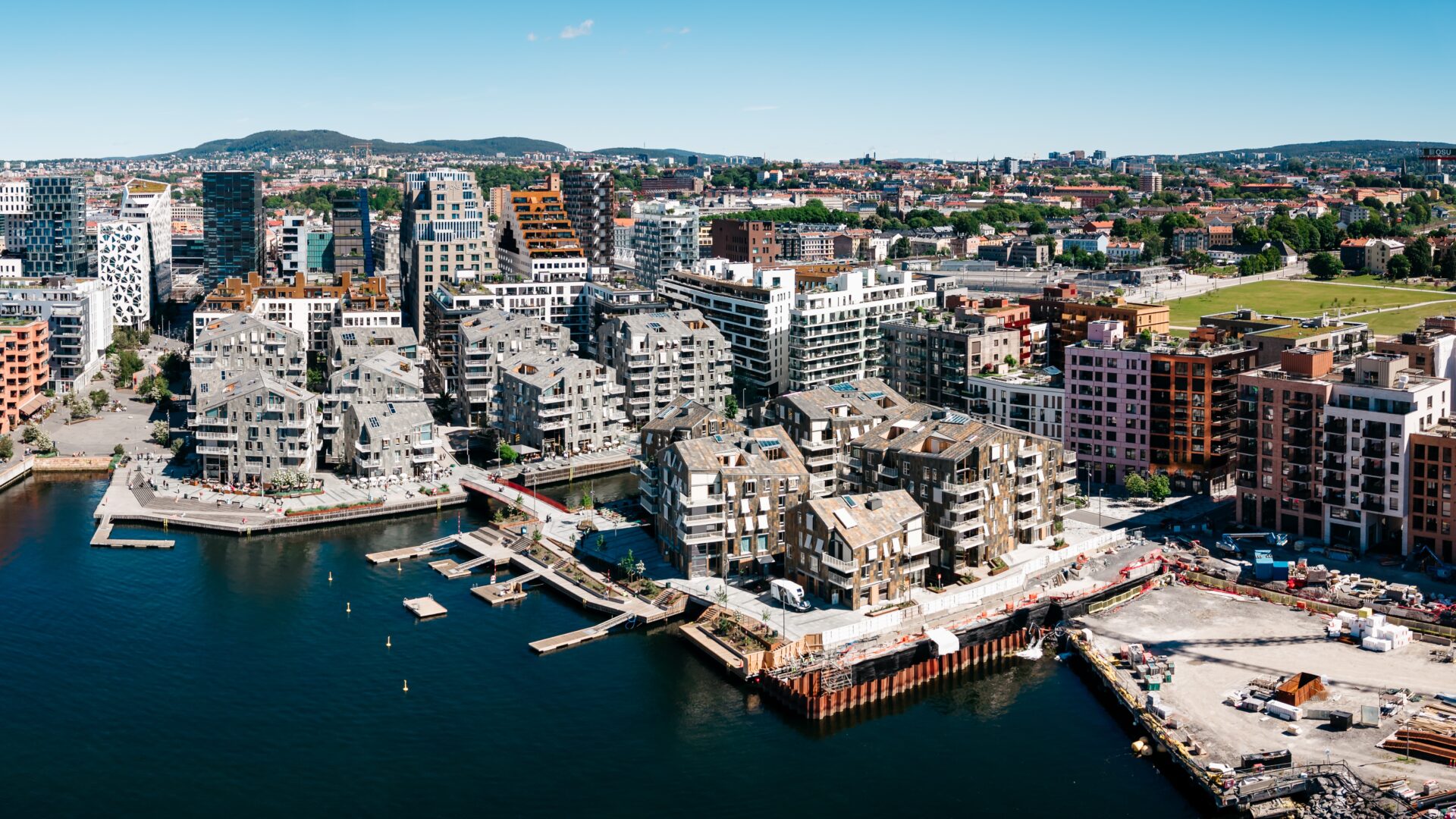
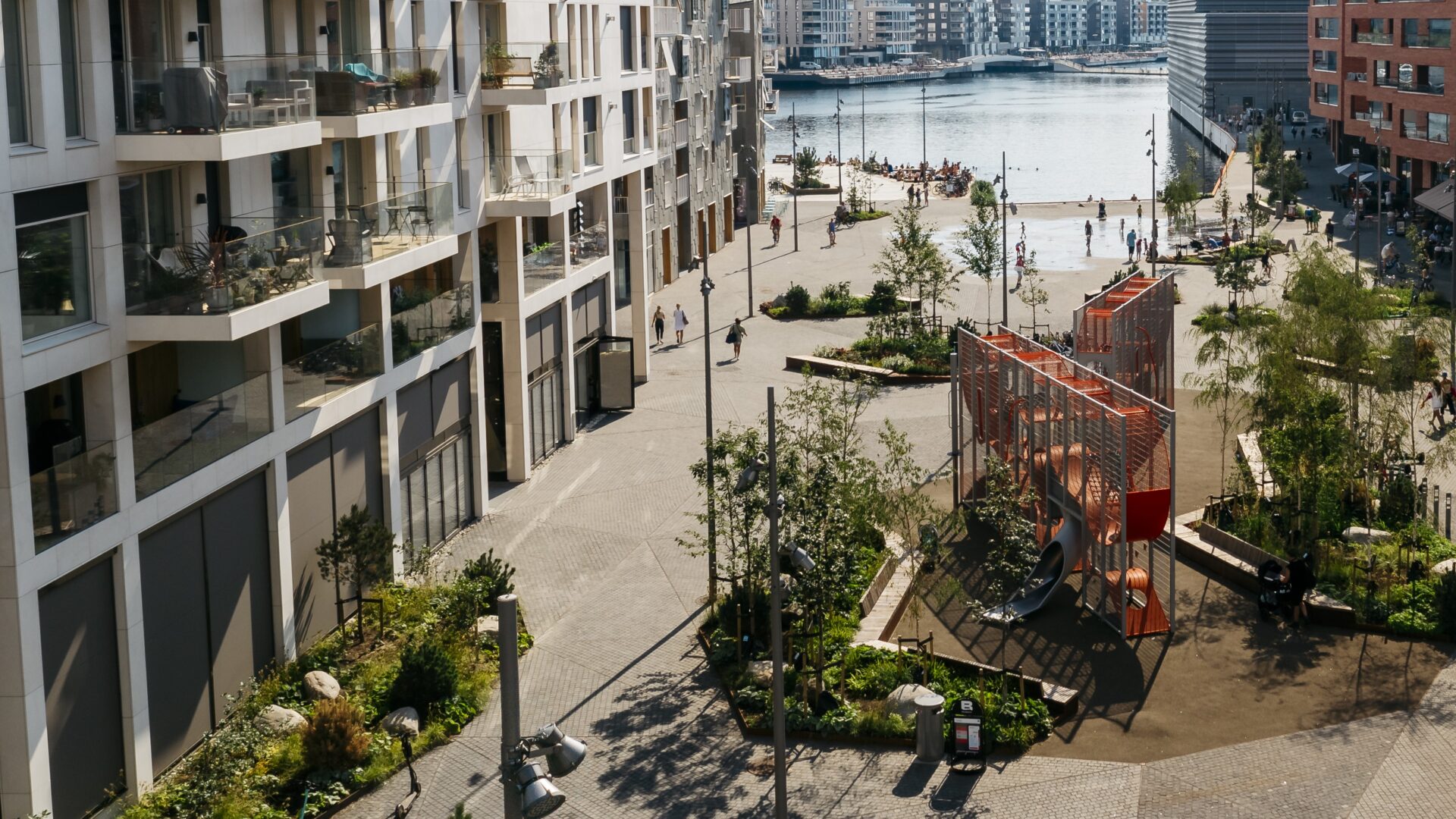
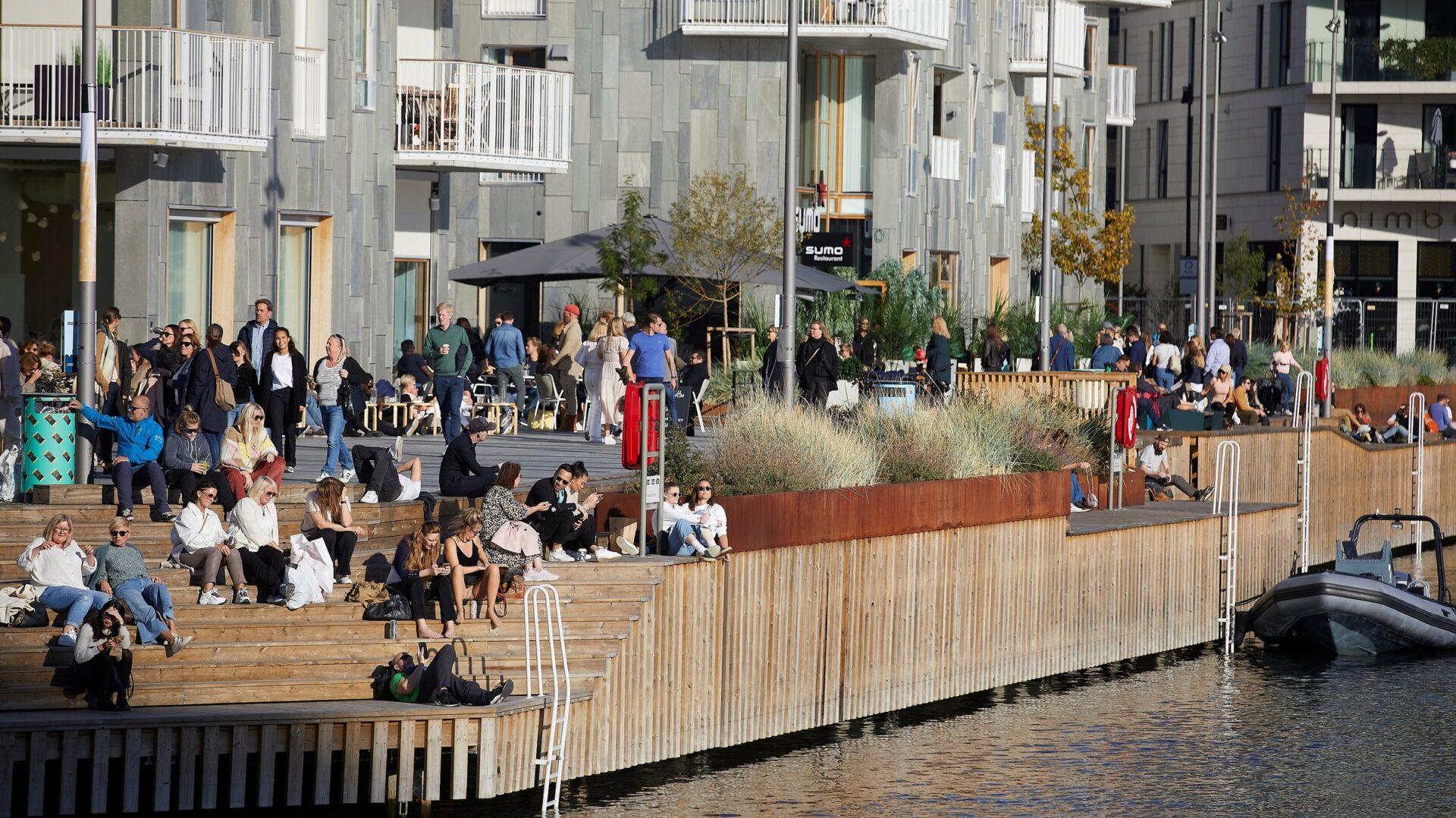
THE BIGGER PICTURE: The development of Bispevika demonstrates the relationship between residential, retail, cultural and public realm functions. Photo: Courtesy of OSU The value is not only the buildings, but in how they connect to active ground floors and to the people who live, work and spend time in the area. This is a central competence Karl Jon Sørli brings, which can be seen in Stasjonsallmenningen, Aud Blegen Svindlands plass, Rostockgata, Operagata, Kongsbakkeallmenningen and the Oslo Harbour Promenade, where he played a key role in the detailed development.

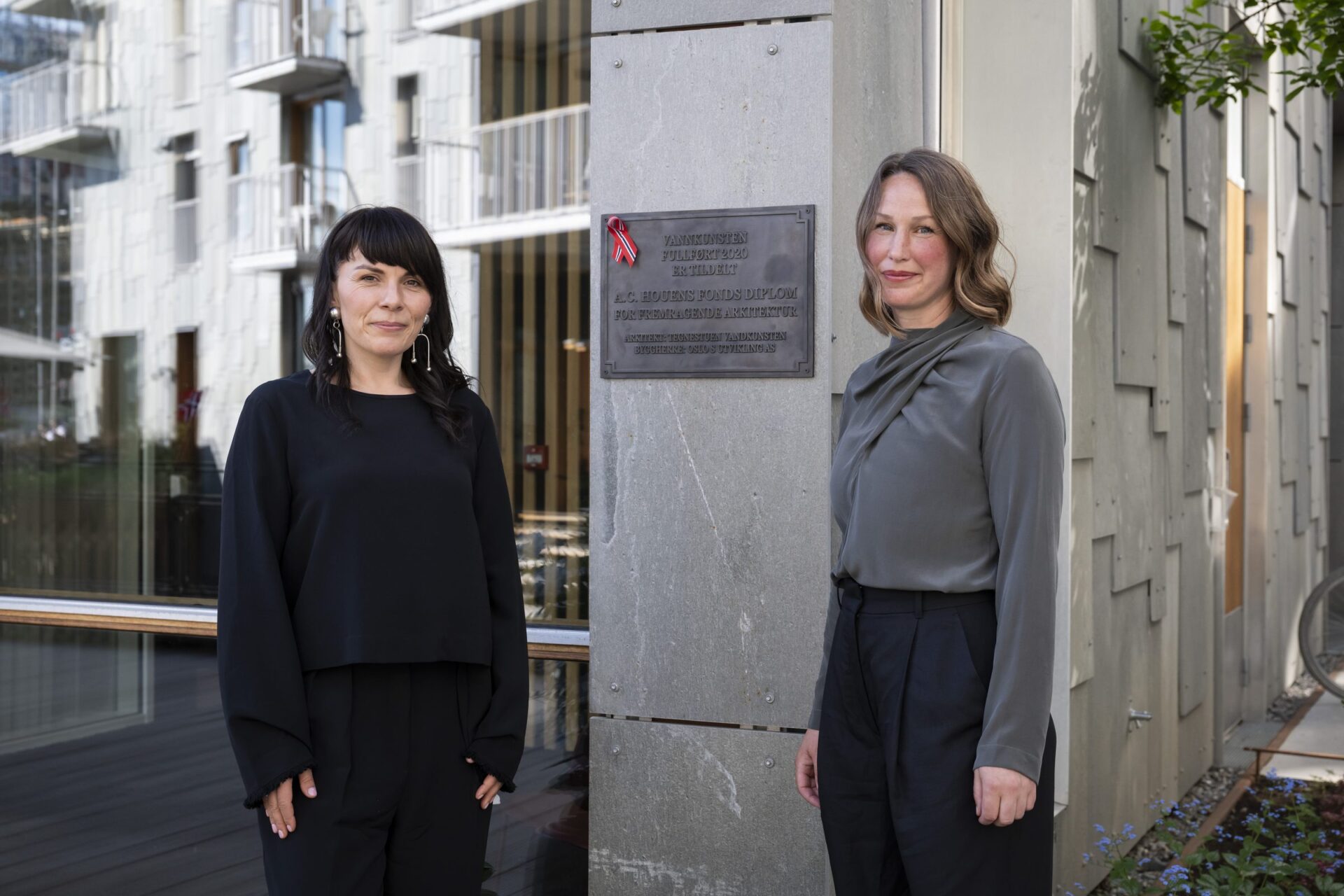
RECOGNITION: The Houen Foundation Award is Norway’s oldest and most prestigious architectural distinction. Photo: Courtesy of OSU What is good urban development?
This is a broad question, and one we at Urban Values could discuss at length. Rather than providing a definition, we would like to share a story that illustrates the kind of expertise Urban Values brings to projects. When Karl Jon Sørli joined OSU and the Bjørvika development in 2016, he began by reviewing the plans for the area. Operagata and Rostockgata were planned as streets accommodating pedestrians, cyclists, buses and private vehicles.

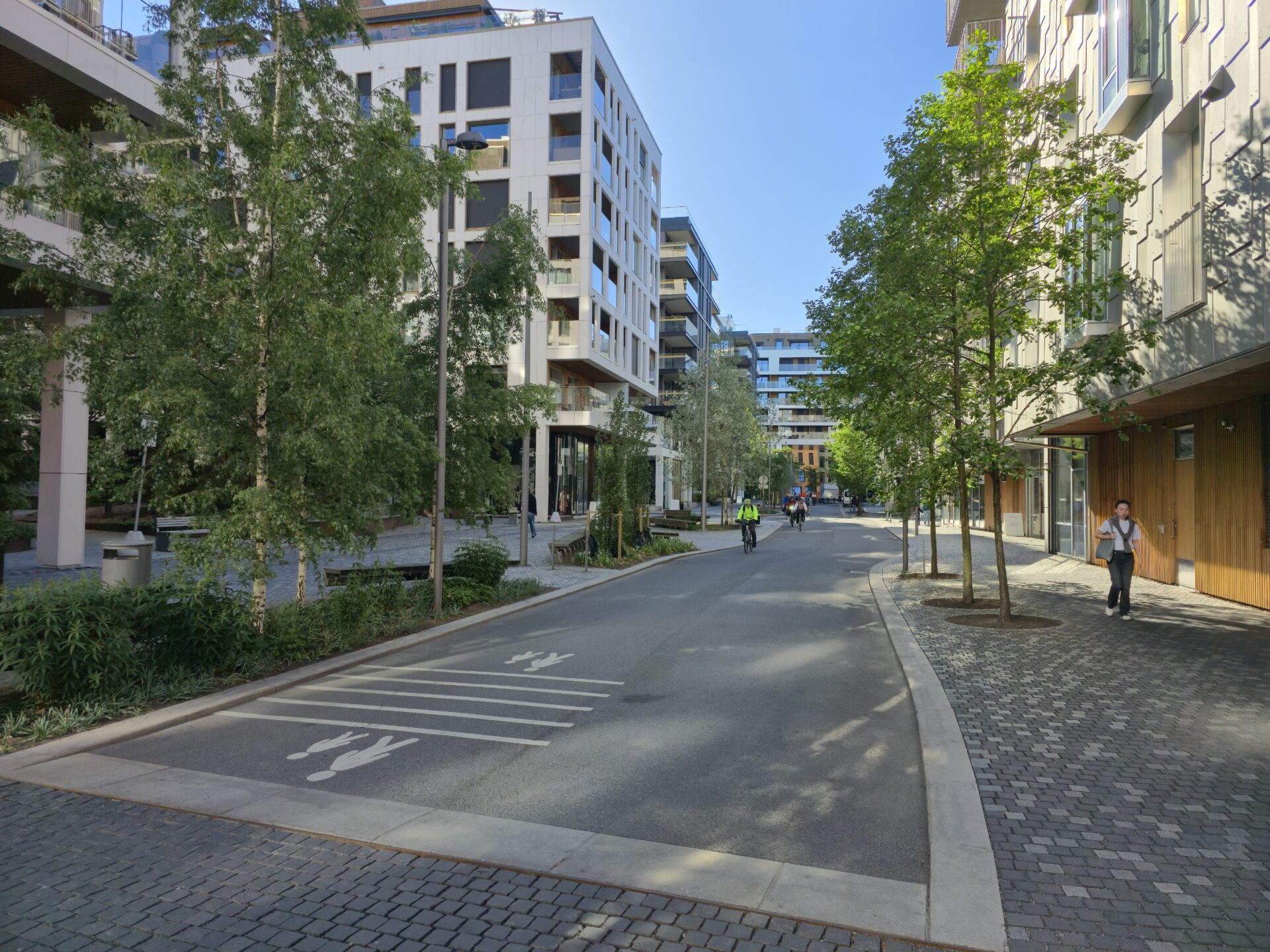
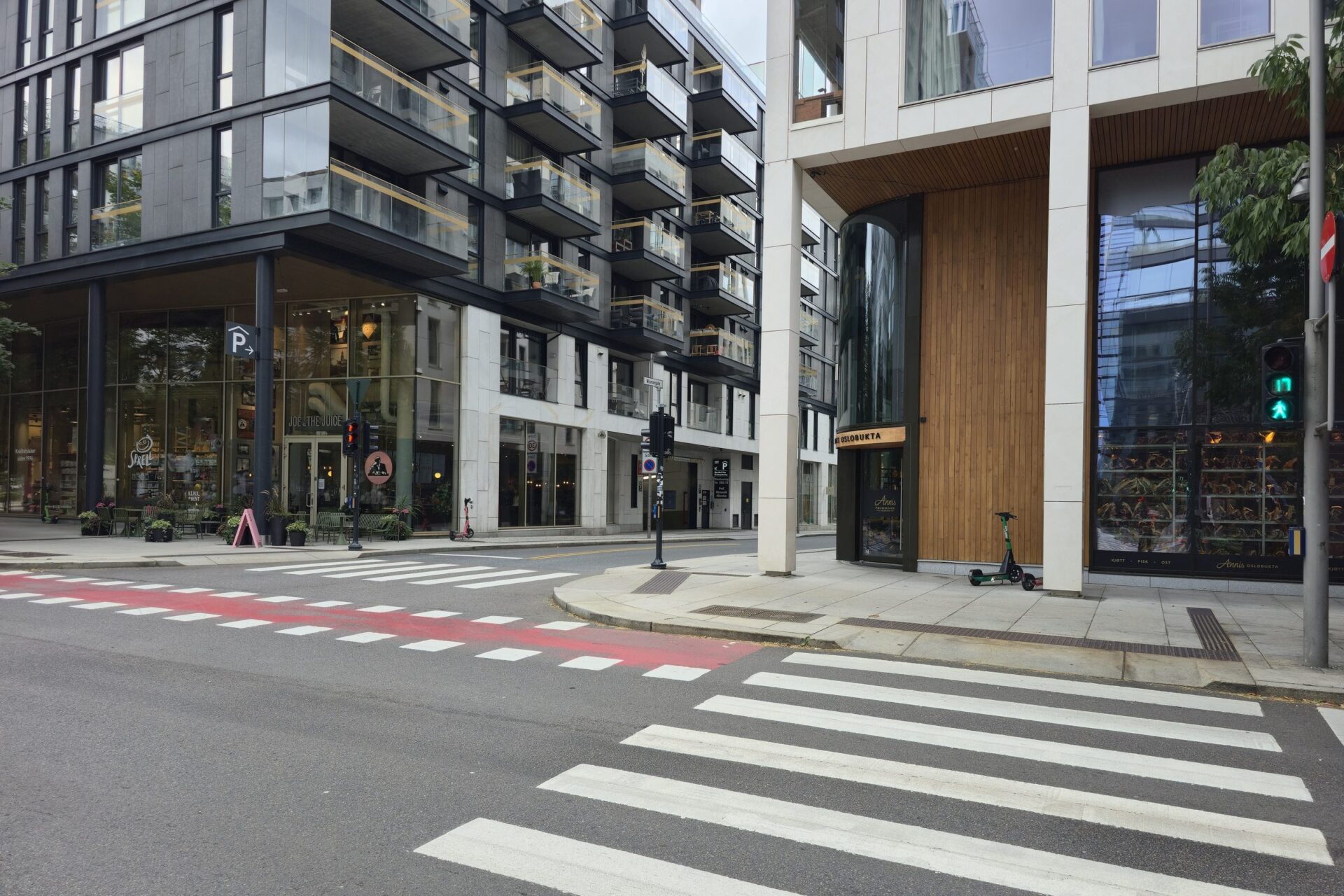
MOBILITY: A traditional street layout where a large proportion of space is allocated to vehicles and delivery. Photo: Urban Values Originally, seven separate vehicle ramps were planned to provide access to the different development blocks. Deliveries and waste handling were largely intended to take place at street level. Such a solution would not have created the vibrant urban environment visible today. By analysing the planning framework, traffic arrangements, buildings and basement structures, it became apparent that significant improvements could be made. Commercial conditions for businesses could be strengthened, residential quality improved and the area made more attractive to visitors. The result was a major reconfiguration. The number of basement access ramps serving eight development blocks was reduced to two, most servicing and waste handling was relocated underground and public transport routes and through traffic were removed from Operagata and Rostockgata.
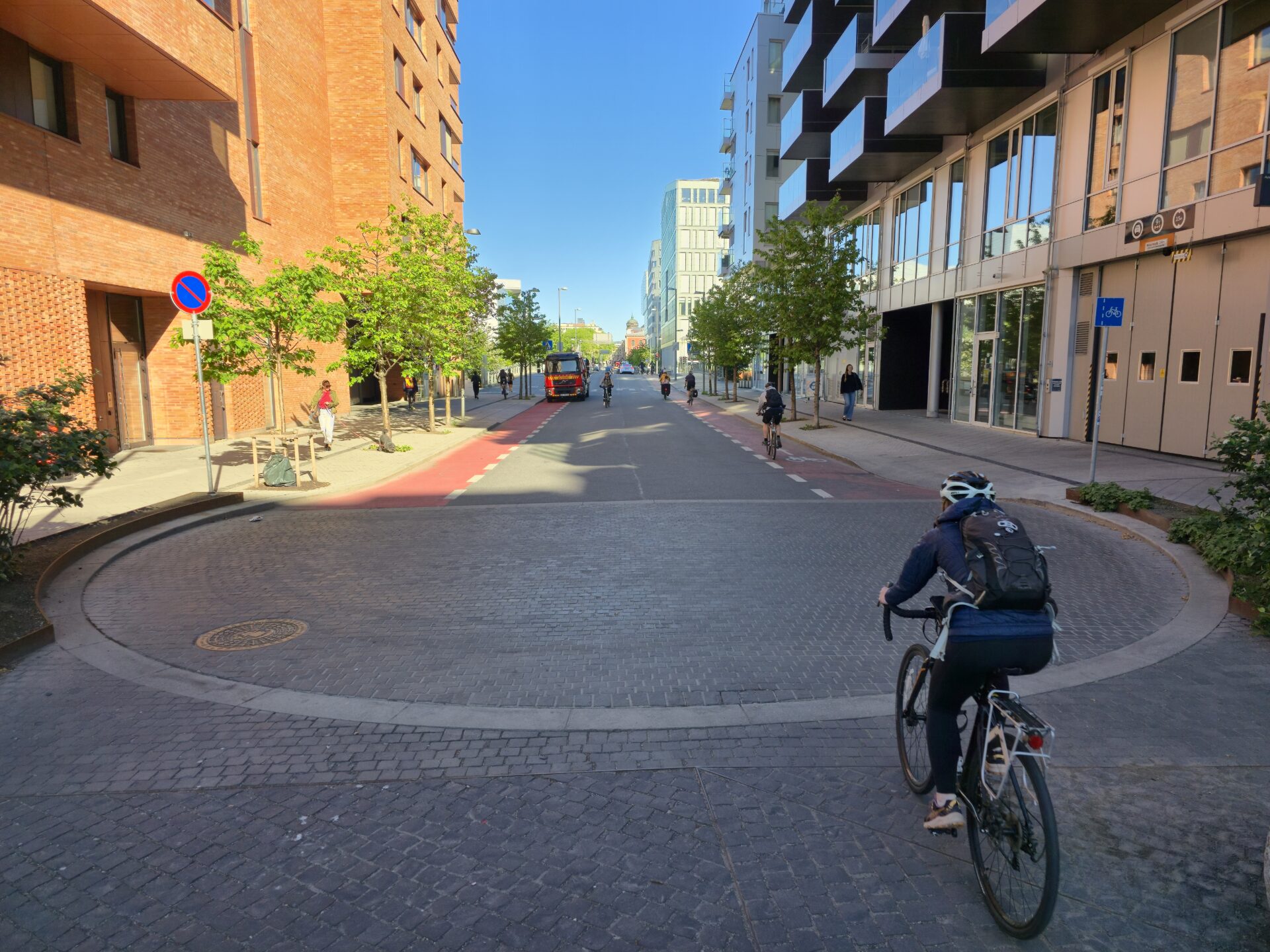
THE CYCLE STREET: Space was reallocated to pedestrians, cyclists, plants and outdoor seating, creating a more people-focused streetscape. Photo: Urban Values These changes freed up substantial space for wider footpaths, outdoor dining, seating and landscaping. They also made it possible to establish a half-kilometre-long cycle street linking Oslo’s cycling network across the city. The redesigned basement structures also created opportunities for a full-service supermarket that had not been included in the original zoning plan. Once established, the supermarket attracted additional retail uses, helping form the commercial heart of this emerging 15-minute neighbourhood. Relocating vehicle access ramps also released valuable space for shops, restaurants, cultural uses and active basement floors, securing critical mass and improved trading conditions for businesses operating at street level.
THE MEETING PLACE: Well-designed public spaces encourage activity and create places where people choose to spend time. Photo: Courtesy of OSU The development of Bispevika involved strong specialist teams in architecture, landscape architecture, residential and commercial development, project management and technical consultancy. To further strengthen the overall approach, an internationally recognised architectural practice with expertise in masterplanning, urban design and complex mixed-use developments was engaged in 2016. The collaboration covered all development blocks, streets and public spaces and led to significant improvements through the continuous evaluation of design quality and commercial considerations. It is within this balance that the value within and between buildings is realised. With more than ten years of experience in this type of process, Urban Values can help establish and coordinate collaboration that delivers stronger outcomes and increased value creation.
THE GROUND FLOOR: Architecture, movement patterns, visibility and street-level design are critical in supporting retail, food and beverage and other forms of activity. Photo: Urban Values A strong identity and diversity of character are essential in creating lively and attractive urban environments over time. The relationship between Clemens Quarter, Vannkunsten South, Maria Quarter and Kongsbrygga demonstrates how different architectural expressions can evolve alongside one another while contributing to a coherent overall identity. Urban Values actively promotes this approach through architectural competitions, design development and the selection of project teams, establishing a strong foundation for successful delivery.
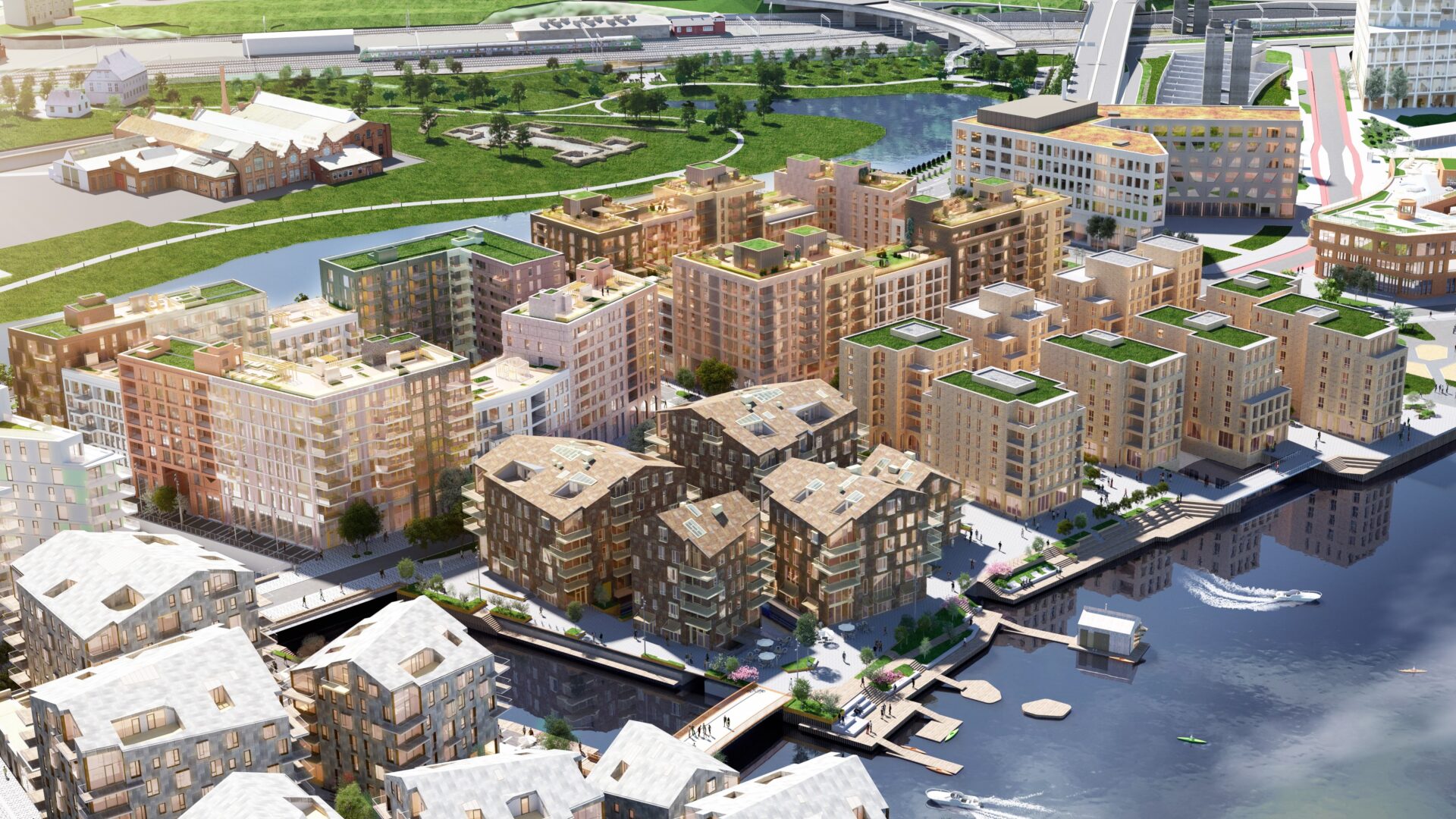
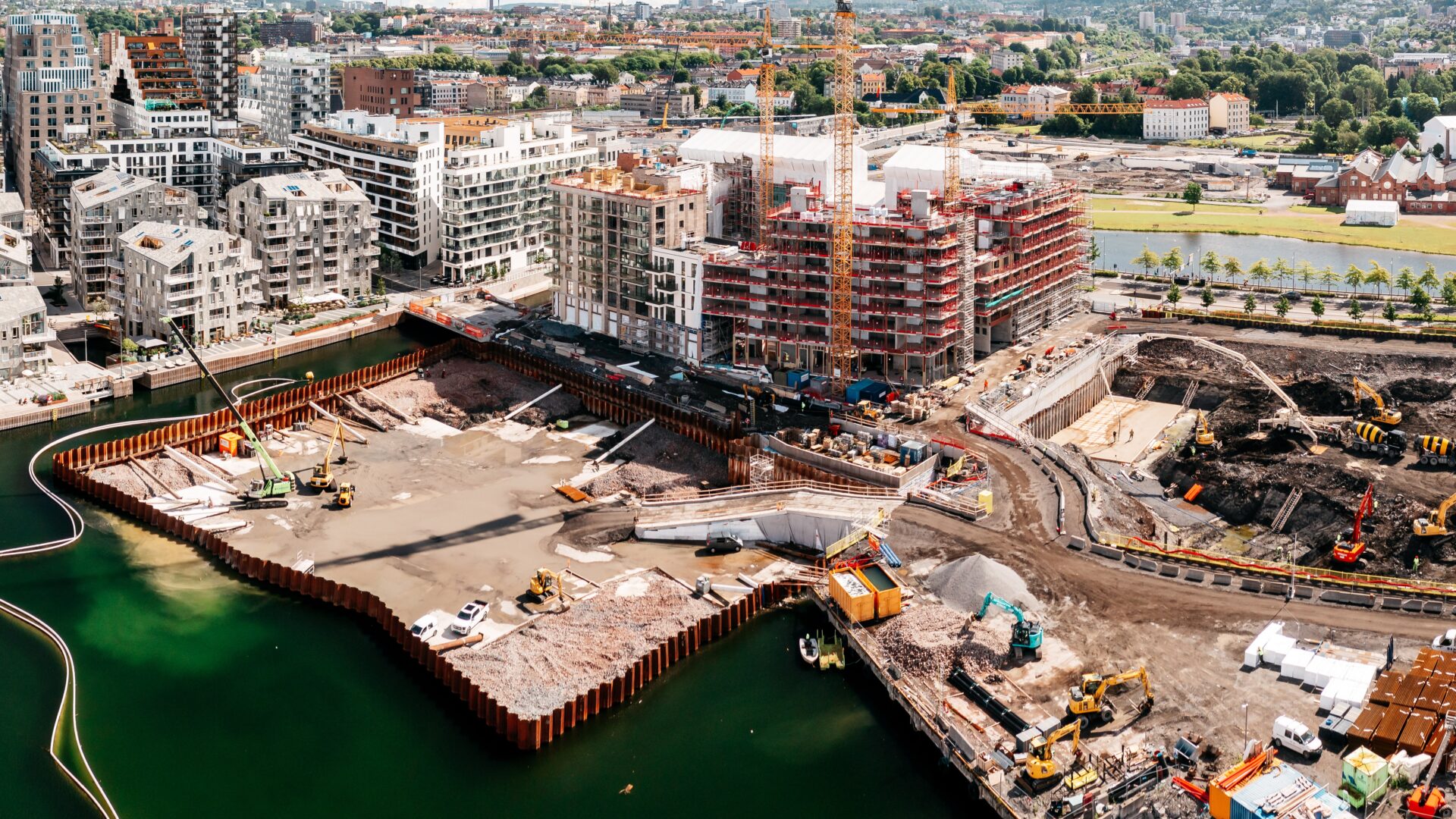
IDENTITY: Variety in architecture and urban character contributes to a distinct sense of place. Rendering: Vianova / Courtesy of OSU Thorough understanding of what happens below ground is a critical success factor in complex urban development projects and often represents one of the greatest opportunities for value creation during the early stages. In Bispevika, Sørli played a central role in challenging established solutions and developing alternative concepts for excavation, foundations and basement structures. Through an integrated approach, underground infrastructure was coordinated with transport, logistics, commercial uses, residential buildings and active ground floors. This improved land use efficiency, reduced risk and delivered a significantly stronger balance between cost and value. Working closely with geotechnical and structural engineers, Urban Values contributes to robust foundation strategies and efficient basement solutions with proven benefits for project viability and overall performance.
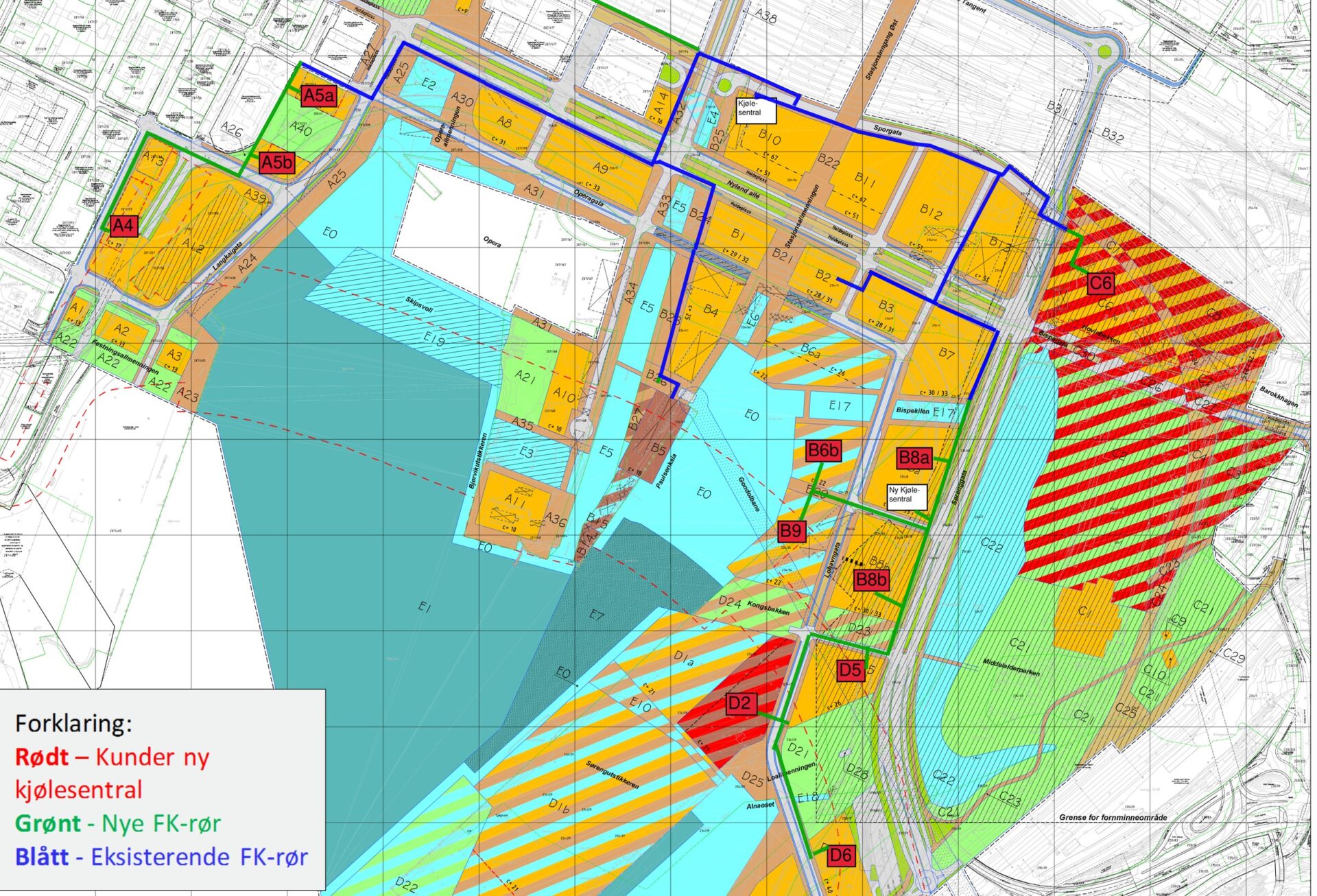
BELOW GROUND: Sound underground solutions provide the foundation for value above ground. Photo: Courtesy of OSU When developing larger urban districts, it is equally important to establish effective district energy systems. In Barcode and Bispevika in Bjørvika, two decentralised energy centres were developed as part of the wider strategy. The Bispevika Energy Centre now supplies seawater-based heating and cooling to several buildings, including major facilities such as the Munch Museum. Although largely invisible within the urban environment, such infrastructure plays an important role in reducing environmental impact and supporting efficient long-term operations.

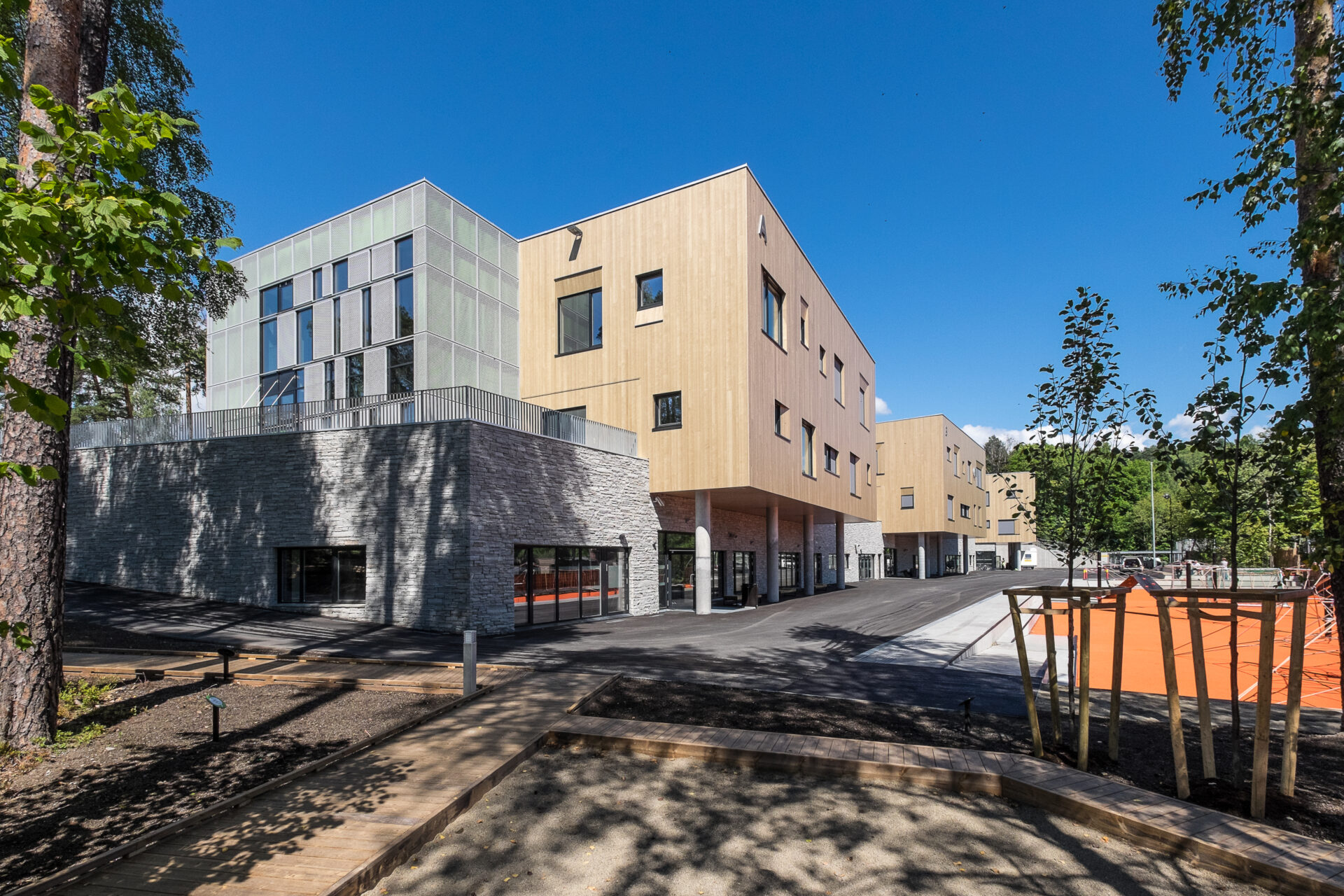
ENERGY: District energy systems contribute to more resilient and energy-efficient urban environments. Illustration: Courtesy of OSU Projects within the FutureBuilt innovation programme provide valuable knowledge and experience in the development and delivery of sustainable buildings and urban areas. Karl Jon Sørli led both Bjørnsletta School and Brynseng School projects. Bjørnsletta became Oslo’s first passive-house school, while Brynseng advanced the concept further as a near-zero energy school incorporating photovoltaic panels within the façade. These experiences provide direct value when applied to larger urban development projects, particularly in relation to sustainability, energy use and environmental performance.
INNOVATION: FutureBuilt projects have provided valuable experience in sustainability, energy performance and future-oriented buildings. Photo: Tove Lauluten / Courtesy of FutureBuilt Collaboration for Integrated Urban and Real Estate Development
The interventions described above were only possible because they were developed through close collaboration between public authorities, private developers, architects and advisors. Urban development is not something that can be delivered by one organisation alone. Urban Values aims to be a trusted partner in the development and delivery of complex urban development and real estate projects. Our name reflects the essence of what we do. Successful urban development is created through strong collaboration, effective partnerships, specialist expertise and the ability to deliver. That is what shapes buildings, places and cities with qualities that give lasting value.

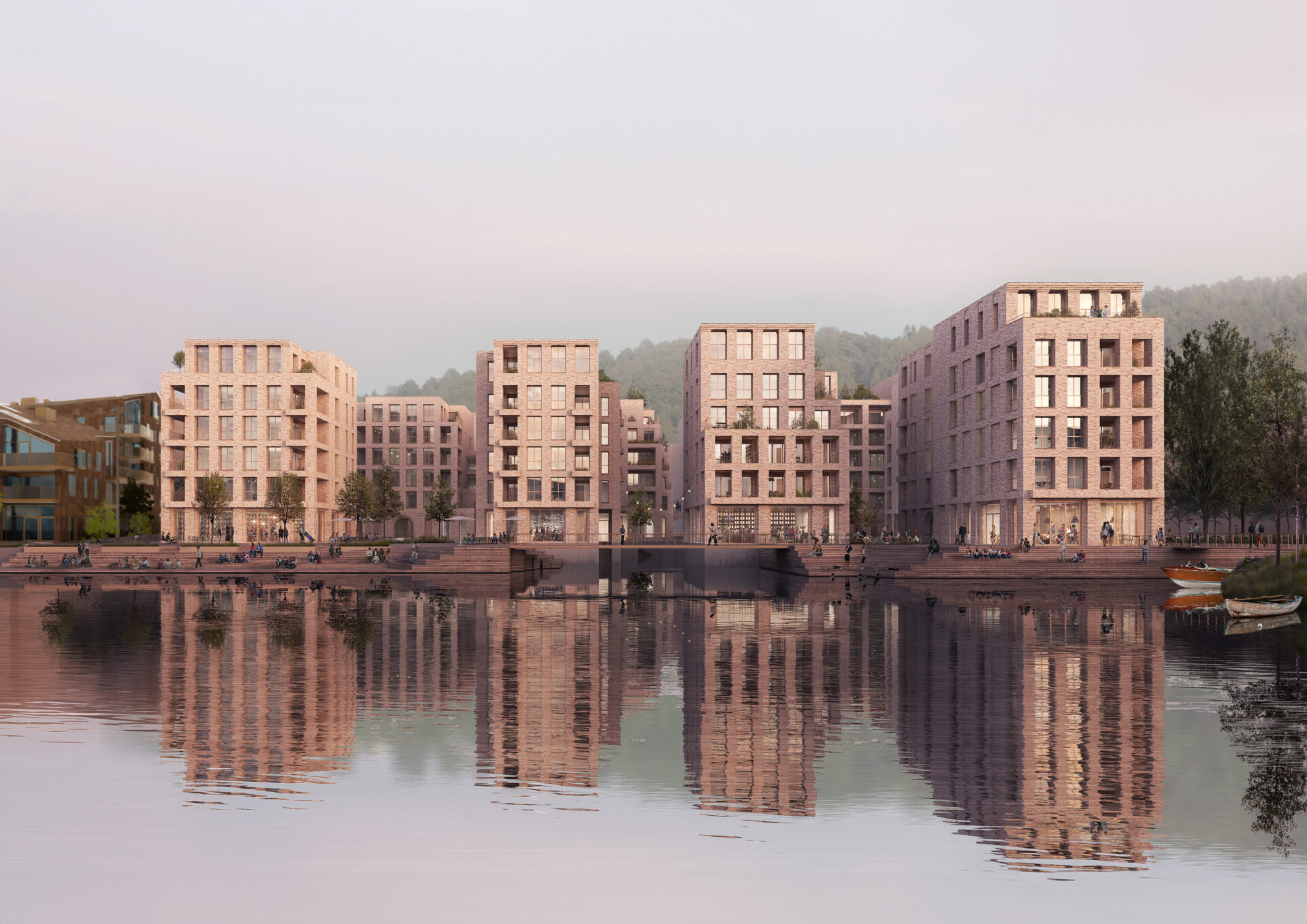
OPPORTUNITY: Kongsbrygga illustrates the qualities and value that can be created when strong teams work towards a shared ambition. Rendering: Reiulf Ramstad Arkitekter / Courtesy of OSU When should you contact Urban Values?
You should contact Urban Values when an urban development area:
- is being initiated, analysed, planned, detailed or delivered with the ambition of unlocking its full value
- involves complex ownership structures, existing buildings or large-scale regeneration opportunities
- requires integrated masterplanning where public realm, mobility, programme and commercial performance are developed together
- depends on clear direction, coordination and progress across multiple stakeholders and disciplines
- is in its early stages and would benefit from stronger quality, competitiveness and deliverability through effective collaboration between developers, consultants, contractors and future users
Urban Values takes on central roles, either as development lead, client adviser or as part of a multidisciplinary team, from early-stage strategy through to delivery.
The objective is always the same: to create attractive, site-specific urban environments that build on the identity, qualities and natural characteristics of a location. At the same time, projects must be economically robust and deliver competitive returns through strong concepts, clear priorities and effective execution.
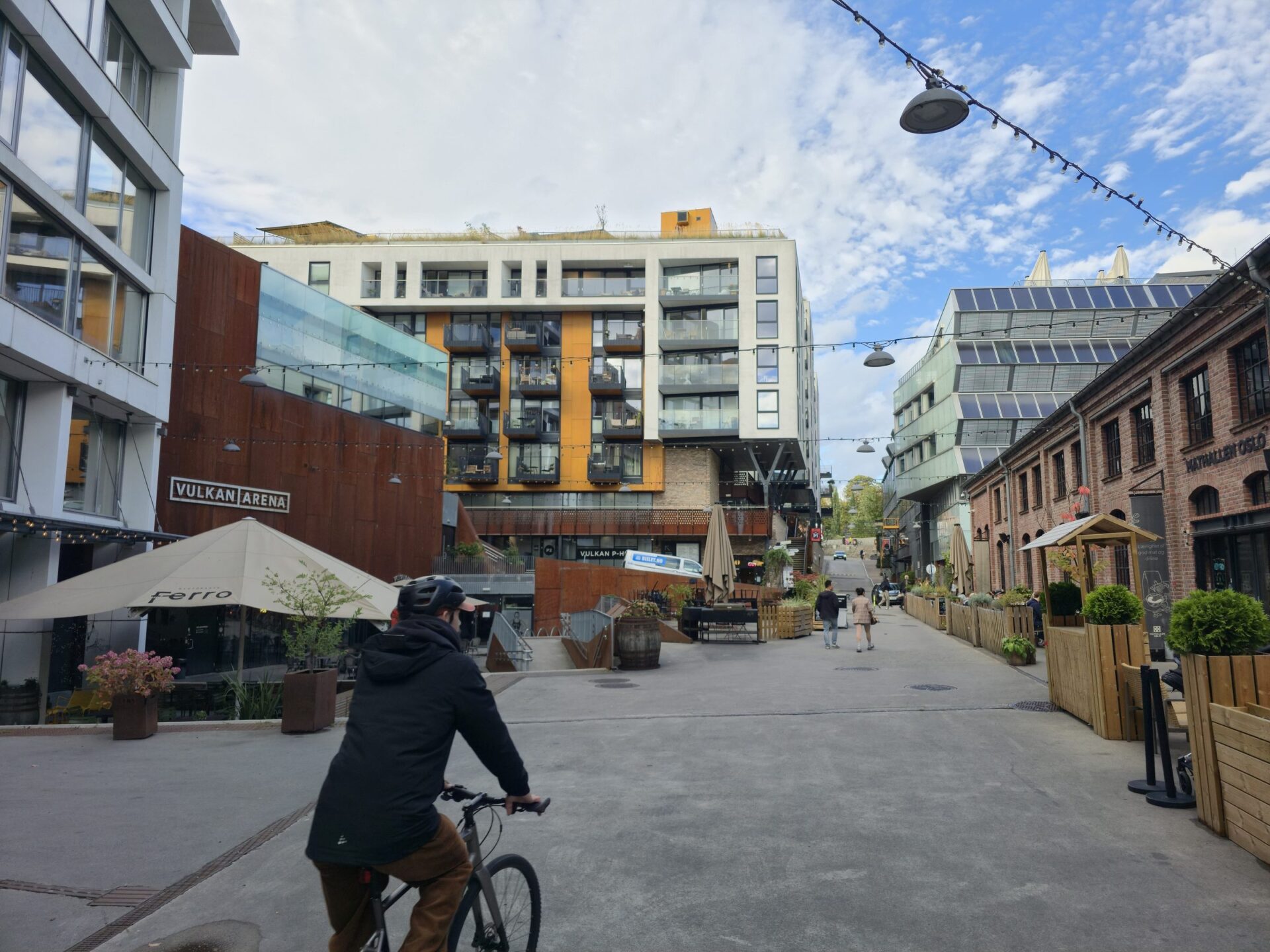
THE RESULT: Vulkan demonstrates how urban regeneration can create a vibrant and attractive urban district. Photo: Urban Values